Project management is one of the most transferable capabilities in modern professional life. Whether you run projects formally or informally, the difference between delivery and delay comes down to the artefacts, language, and judgement that working project managers use every day. This six-week programme teaches all of it.
A six-week cohort programme that builds the practical capability working project managers actually use to deliver. Fifteen-plus tools, practitioner facilitators, and a defended capstone.
Whether you lead projects formally, contribute to them, or coordinate work across people who do not report to you, the artefacts and judgement in this programme apply directly to your work. Where most online courses transfer information, this programme builds skill: the lessons live in the self-paced platform; the live sessions, breakouts, capstone, and credential are where capability is actually formed.

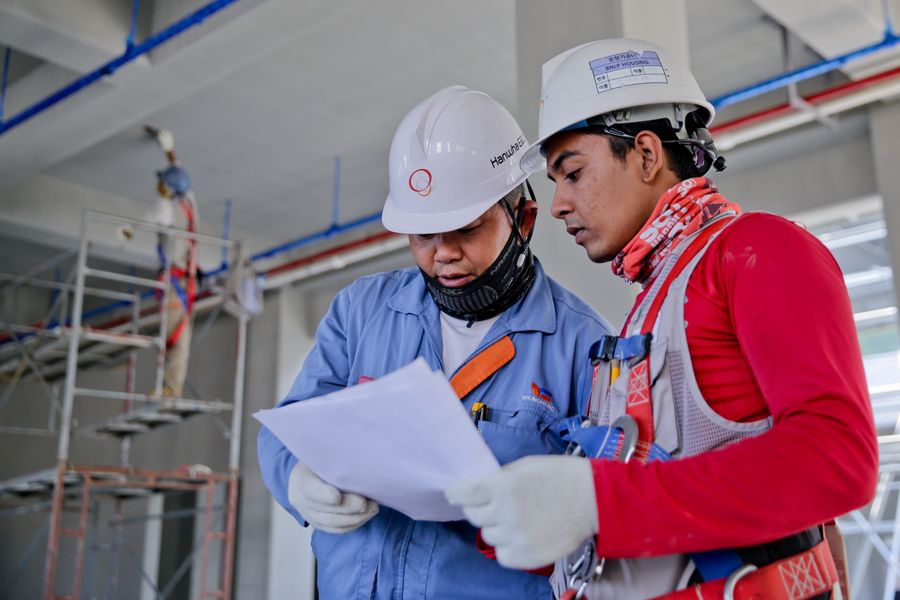
Project management is a practice of leadership, coordination, and delivery — built in the field, not the classroom.
You leave with over 15 practical tools and templates, populated and defended — Project Charter, Work Breakdown Structure, three-point estimation, network diagram, Stakeholder Register, Communication Plan, RACI matrix. The artefacts working project managers carry.
You will know which framework fits, which stakeholder needs which kind of attention, which task is on the critical path, which row of the RACI is wrong. The programme is built around scenarios, not flashcards.
Your final deliverable is a complete Project Initiation Package, submitted in writing, then presented to facilitators and peers. The work that demonstrates to your employer you can run a project — not just describe one.
Across sectors and career stages — from engineer to operator to executive — project capability is what closes the gap between intent and delivery.
Four teaching modules. Two capstone weeks. One defended outcome. Every module builds on the last and produces an artefact you take into the capstone.
The decisions that fix or break a project before any technical work begins. Scope, framework choice, requirements that hold under pressure, and the project plan that turns intent into measurable progress.
The mechanics of turning a project into a defensible schedule. Gantt charts that tell the truth, work breakdown structures that capture the actual work, three-point estimation, network analysis, and the critical path.
The work of reading people accurately and engaging them deliberately. The influence-interest matrix, quadrant strategies that actually differ, the distinction between a Communication Plan and a Stakeholder Communication Plan, and feedback mechanisms that close the loop.
Where the project gets done, or fails to. How to design meetings that produce decisions, lead them without becoming the only voice, and how the RACI matrix turns ambiguity about who decides into a defensible map.
Your group of five builds the Project Initiation Package. Office hours with facilitators are open through the week. First wave of group presentations begins. Written submissions graded asynchronously against the published rubric.
Remaining group presentations and facilitator defence. Cohort closure session, written feedback returned, certificates issued, alumni community access. The relationship does not end on graduation day.
Anyone can finish a self-paced course. The capstone is the artefact that proves you can do the work — a portfolio piece your employer can evaluate, not a completion badge.
You choose a project from your own organisation or our case bank. Your group of five builds the complete Project Initiation Package using the programme templates. Every artefact must be internally consistent, defended against the published rubric, and presented live to your facilitators and peers in week five or six.
The presentation is the test. The submission is the trail. Together they make the certificate worth what is being paid for it.
Week six: fifteen minutes to defend every decision inside the package you built.
The certificate proves you can do the work. The career artefacts make sure the people who matter — recruiters, hiring managers, and your own network — can see it.
Every cohort receives the Omitrain Career Toolkit and joins the alumni community. These are included in the programme fee, not upsells. The toolkit converts the artefacts you build across six weeks into the assets you need to land the role.
Action-verb structure and a before/after worked example.
Twenty real PM interview questions with sample answers.
Headline, About, and experience templates that surface in recruiter searches.
Perpetual Slack space across all cohorts. Opportunities and references.
Sixty-minute group session in week six on transition tactics.
Self-paced content during the week. Live facilitator-led sessions every Saturday. A capstone that demands the work is real.
Live sessions run every Saturday — structured case walkthroughs, peer breakouts, and facilitator-led Q&A.
All module content lives on a platform you access on your own schedule. Watch lessons, download templates, complete reflections at any hour. Roughly three to four hours of self-paced study per module.
One ninety-minute live session per module, scheduled to fit the cohort. The facilitator walks through real cases, opens small-group breakouts, and takes your questions. Recorded if you cannot attend live.
Built for people with jobs and lives. Self-paced lessons at any hour, live sessions recorded, reflection prompts with generous deadlines. The only fixed point is your group capstone presentation.
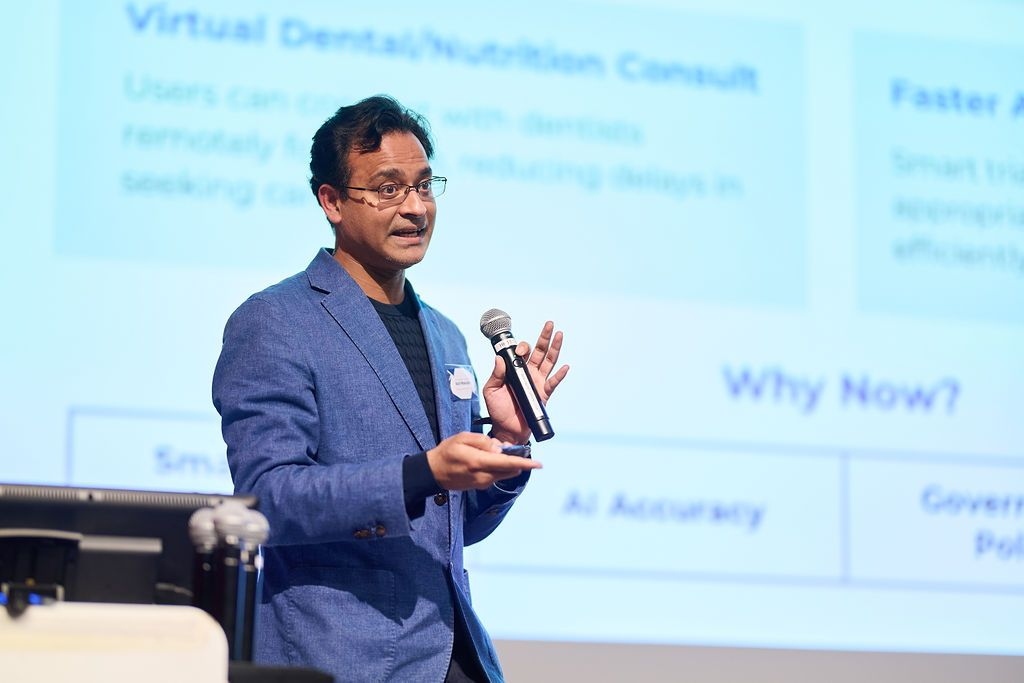
Ravi Prakash brings over 20 years of director- and executive-level experience leading large-scale, multi-million-euro projects and transformation programmes across Europe. He has designed and delivered complex operational, strategy, and change initiatives for organisations including the European Bank for Reconstruction and Development (EBRD), PwC, NHS England, Lloyds TSB, BCG, and Genpact, working extensively across both public and private sectors.
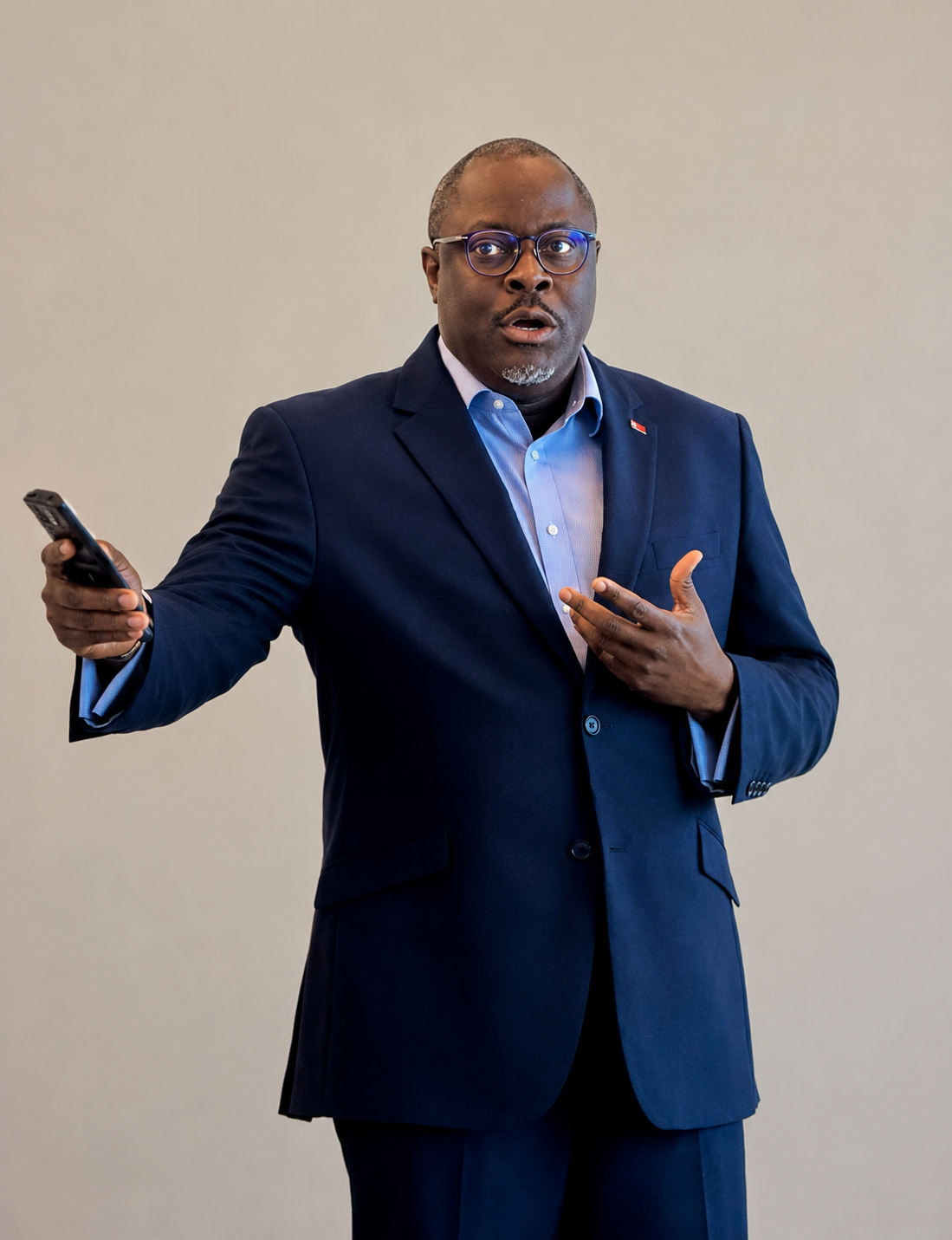
Temidayo Akenroye brings over 25 years of corporate and international experience designing, managing, and implementing complex projects across public and private sectors in the UK, USA, and Africa. His expertise spans stakeholder engagement, cost governance, supply chain transformation, and organisational change — with a track record of leading high-impact initiatives across healthcare, logistics, and international development contexts.
Priced to make executive-grade project management training accessible to working professionals, students, and career switchers who would not otherwise reach this kind of programme. One payment. No subscription. No hidden costs.
Cohorts are kept small. Apply early to secure your place.
We do not run open enrolment. Each cohort is reviewed so we know the people we are accepting can do the work and contribute to the group.
You will be asked about your professional context, your reasons for joining, and one short paragraph on a project where the artefacts in this programme would have made a difference. We respond to every applicant within five working days.
Start Your ApplicationAlready enrolled? Sign in to the student portal.
Whether you are exploring enrolment, corporate training, partnerships, or sponsorship opportunities, our team would be pleased to speak with you.
Thank you. A member of the OmiTrain team will respond shortly.